Strong engines are built to handle stress, but when you pair a high-performance Porsche with rising Dubai heat, you start to see where some weak points can show. As we move out of winter and into spring, things begin heating up quickly. Temperatures in Dubai don't climb gradually. They rise fast, and cars sitting in open parking spots or facing slow-moving traffic can take a beating from heat alone.
Porsche engines are tightly built, meaning they rely on every component working in harmony, oil, coolant, airflow, pressure. When heat throws off one part, the others can’t pick up the slack forever. That’s part of why Porsche engine repair in Dubai is more sensitive this time of year. Repairs that seem minor in mild temperatures often become much more complex when the heat rolls in.
How Heat Affects Porsche Engine Performance
Warm weather has a way of changing how an engine runs, even if the difference isn't showing on the dash display yet. Higher temperatures affect the fluids, pressure, and materials that keep everything moving the way it should.
- Engine oil thins when temperatures spike. That means it can’t fully protect moving metal parts the way it needs to, leaving areas to wear out faster.
- Coolant systems are under heavier load. With the engine constantly running hotter, your cooling system has to work harder to keep things balanced.
- Rubber and plastic parts like gaskets, hoses, and belts begin drying out or cracking under heat. Once they do, leaks or pressure drops are more likely.
Signs show up in small ways first, maybe it's a puff of steam from under the hood, or the car jolts when idling at a stoplight. It might just be a subtle change in smell or sound. Often, our instincts tell us something feels different, even before warning lights come on.
Dubai’s Driving Conditions and Their Impact on Porsche Engines
It’s not just the heat alone. Driving in Dubai adds layers of pressure most drivers in cooler cities wouldn’t run into daily. The layout of the city mixed with weather patterns makes engine stress pretty common.
- Long highway commutes, especially along Sheikh Zayed Road or out toward Sharjah, mean engines stay at high RPMs in direct heat for long periods.
- Stop-and-go traffic downtown or near shopping areas forces engines to work harder just to stay cool during idling.
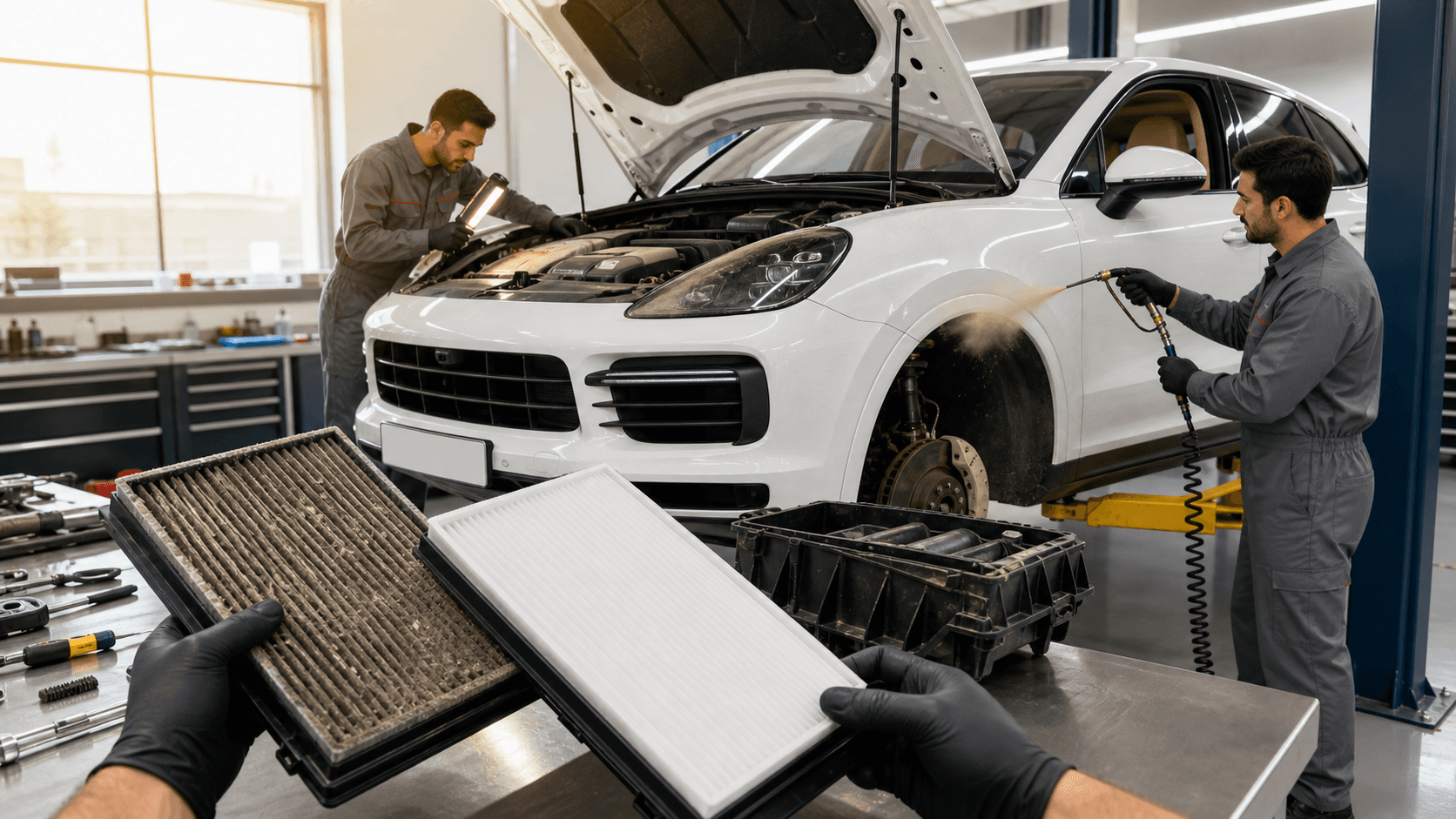
- Sand, dust, and debris from construction zones seep through filters over time, choking airflow and placing more stress on combustion.
There’s also the effect of heat trapped between buildings at night. Even after the sun sets, engine bays stay hotter than you’d expect. When you start the car early the next day, you're not starting from zero. You’re starting from an already warm state, which can raise wear faster.
Common Heat-Related Issues Found in Porsche Engine Repair
We start to see the same issues each year as spring arrives. They may show up subtly or come on quickly after just one drive in warm weather.
- Warning signs might include overheating lights, louder or rougher idling, or low fluid levels without any obvious leak.
- Warped cylinder heads are common when engines repeatedly go from hot to hotter. Once they warp, engine compression shifts, leading to rough performance.
- Cracked hoses leak coolant or oil slowly, making it harder to tell what's going wrong until it shows up somewhere else, like in a failing radiator or pressure loss.
Ignoring these early signs never makes things better. A light engine rattle or a slightly sweet burning smell might not seem urgent, but under heat, those small problems can get worse fast. When they're left alone, they often spread into more expensive and time-consuming issues to fix.
Porsche Engine Repair Services in Dubai
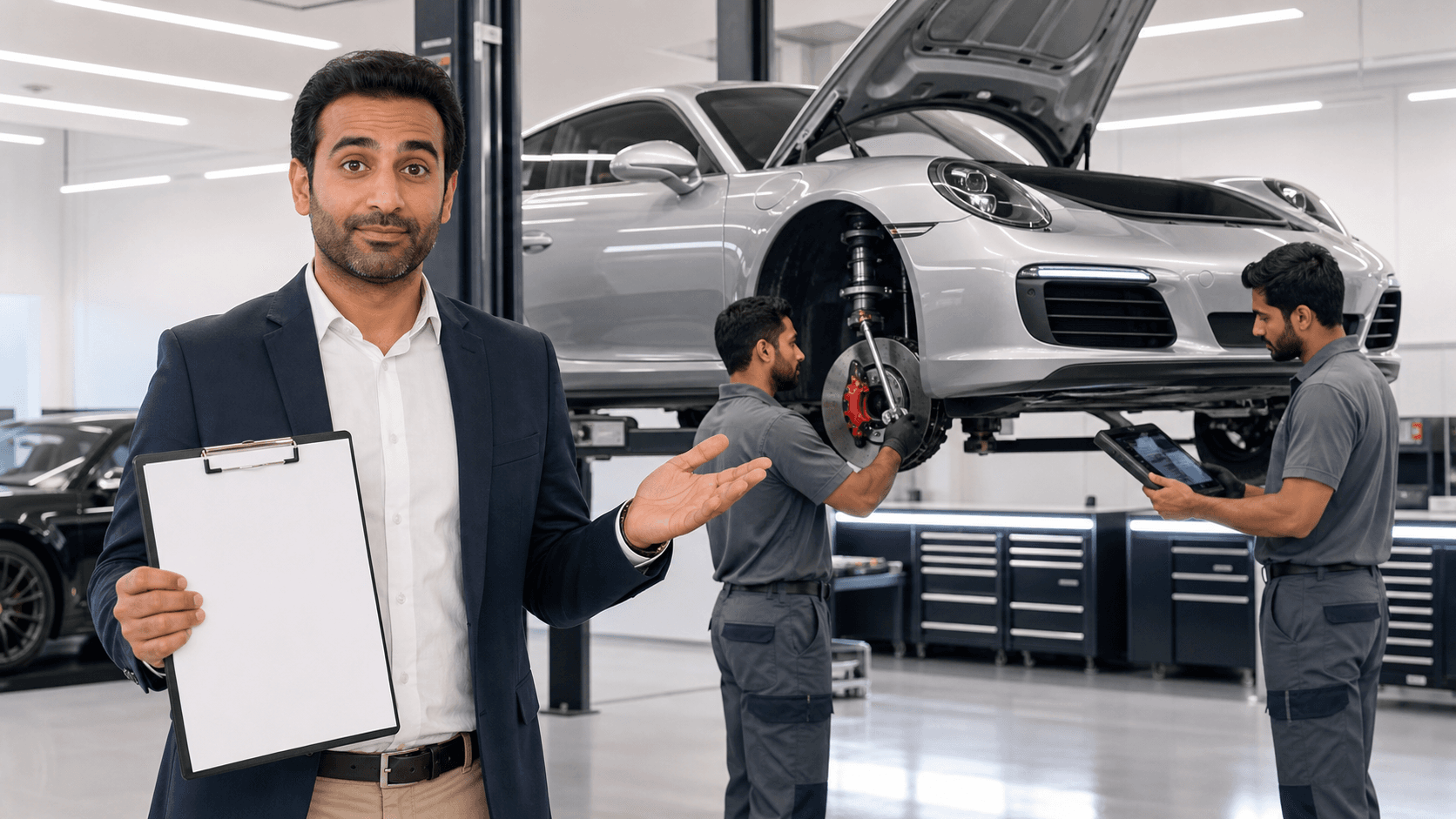
We use factory diagnostic equipment and genuine Porsche parts for all engine repairs, maintaining your car’s original standard. Every service includes a tailored inspection report that explains the root causes of engine stress and details all recommended solutions. Our expert team is trained to spot issues unique to Porsche models in Dubai’s harsh climate.
Why Seasonal Timing Matters for Repairs in Dubai
Spring is when leftover stress from winter starts to show and when the warming trend begins to speed up. Any wear that started during months of regular driving is now being pushed to its limits.
- You might notice issues that didn’t show in cooler months suddenly becoming more obvious, like stale airflow through vents, slower acceleration, or rising operating temperatures.
- The approach to summer is not forgiving. Delaying a minor engine fix in April could lead to being stranded in June when temperatures pass their usual highs.
- Listening closely to slight sounds after long drives, or checking under your car for any drips after it’s parked, makes a difference this time of year.
We often learn the hard way that waiting can turn a quick repair into a major service. If something feels off now, there’s a good chance it’ll feel worse next month.
How Professionals Tackle Heat-Stressed Porsche Engines
Porsche engines need a detailed approach when it comes to heat damage. Just checking for leaks or topping off fluids won’t get to the root of the issue. That’s why inspections focused on heat signs can catch problems that would otherwise get missed.
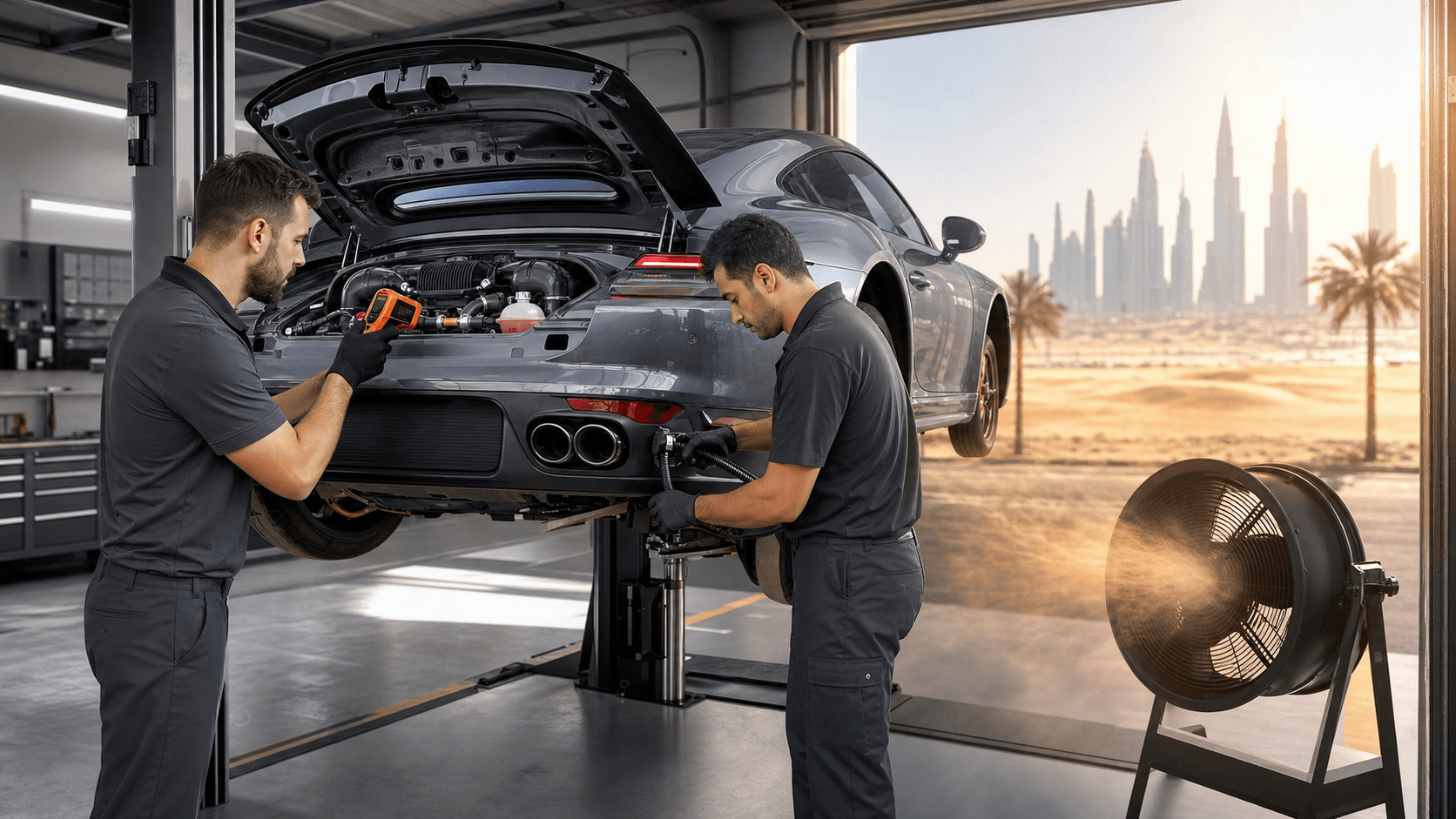
- A full inspection looks at more than just the engine bay. We listen to how the engine starts cold and warm, check fluid pressure under load, and examine rubber parts that tend to fail quietly.
- We look for signs that internal pressure isn't holding, like small bubbles in the coolant tank or oil that smells burnt.
- Most issues we check for during Porsche engine repair in Dubai are linked to heat-related expansion, sharp wear, or failing seals that pop only when the engine's at full temperature.
Other cars might not show signs this early, but a Porsche’s precision works both ways. When something’s off, it speaks up, just not always loudly. That’s why early checks matter.
Stay Cool and Prepared This Spring
The better we understand what heat does to our engines, the better we can plan ahead. In places like Dubai, spring isn’t a soft warning. It’s the start of harsh driving conditions. Catching heat stress during April makes a smoother, safer summer much more likely.
Now is the time to trust your instincts. If your car feels off or sounds different after a longer drive, don’t wait for a warning light. Spring might be short, but it’s the best window to spot problems before the real heat moves in.
Spring arrives quickly in Dubai, and Porsche engines require attention before the summer heat accelerates wear and tear. Early warning signs like unusual smells, leaks, or sluggish performance can escalate into significant issues as temperatures rise. With our expertise in Porsche engine repair in Dubai, we’re able to spot concerns others may miss. Schedule a checkup with Starpit today and make sure your Porsche is ready for the season ahead.