Introduction
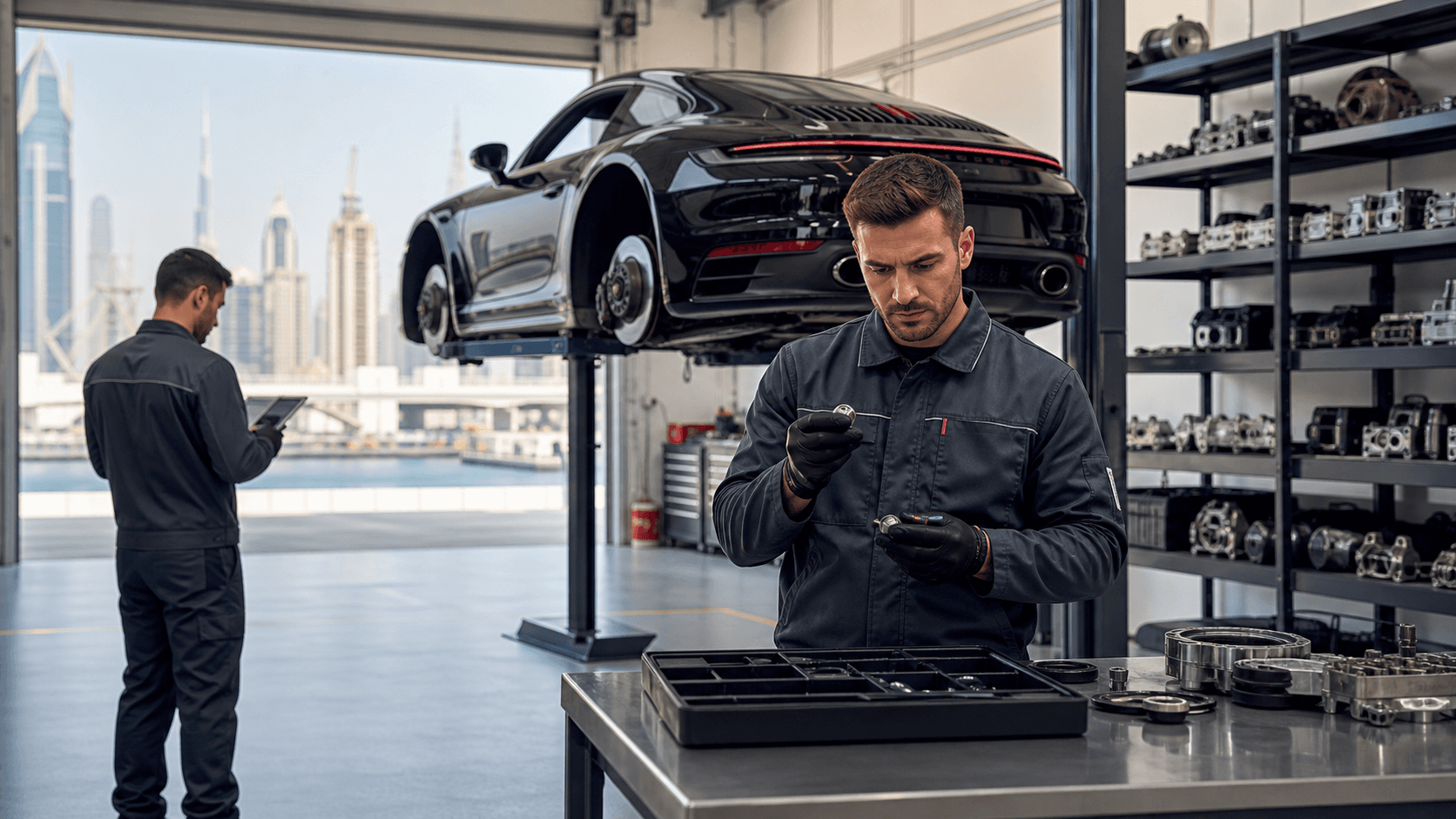
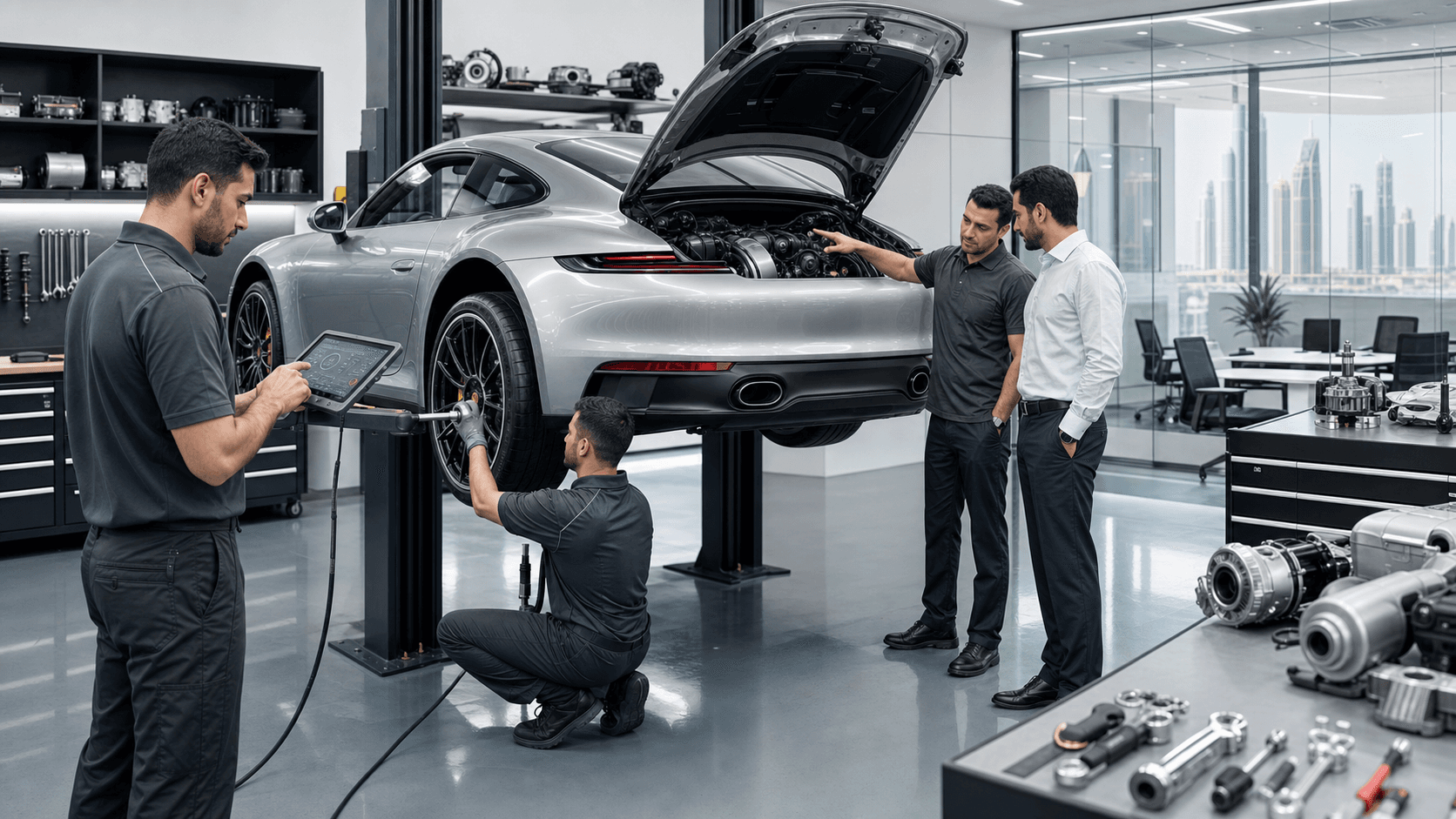
When a Porsche pulls into our service bay, there's a lot we notice before the hood ever opens. That first glance tells us more than most people realize. At a Porsche garage in Dubai, we're used to what heat, sand, and city streets do to performance cars, especially once May rolls into June. Summer in this part of the world doesn't wait around, and by the time it's officially here, signs of wear can already be hiding in plain sight.
During every basic checkup, we begin with a handful of steps designed to uncover trouble early. Many of these signs are easy to miss without knowing exactly what to look for. Knowing what we check first can help you understand your car better and avoid problems before they grow.
The First Look: Surface Clues That Reveal Bigger Problems
Before tools come out or any diagnostics begin, we start with a detailed surface walkthrough. What we see from the outside often points to deeper problems, and experience helps us spot things fast.
- Uneven tire wear is one of the simplest signs that suspension balance or alignment may be off
- A low front or rear stance can hint at tired shocks or a sagging spring setup
- Cloudy or yellowed headlights aren't just cosmetic, they tell us about heat exposure and driveway sunlight patterns
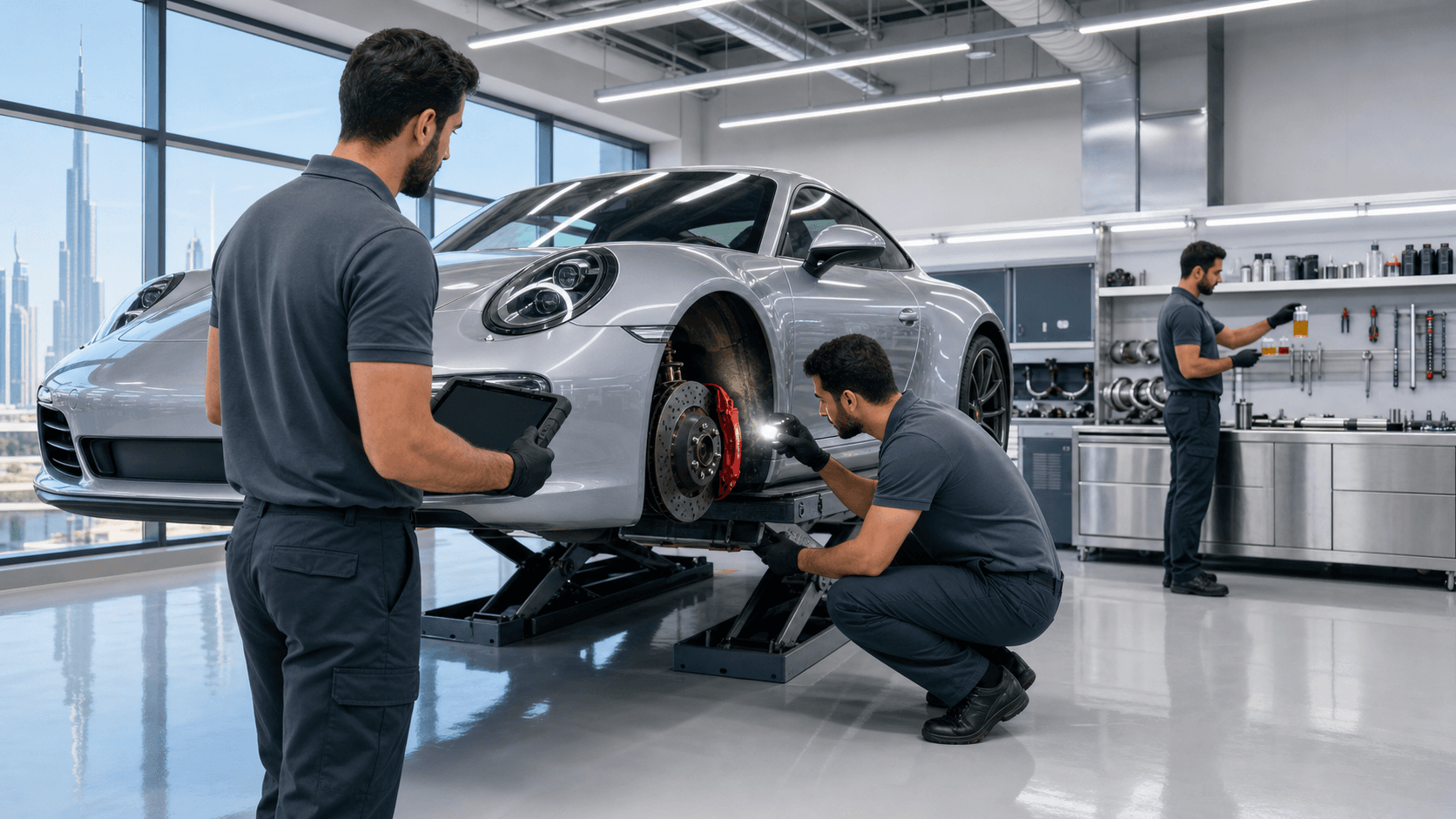
Brake dust is another thing we always scan for. A buildup around the rims might seem normal, but the amount and spread can tell us how evenly brakes are working across all four wheels. Even streaks on the windshield or past the mirrors show how reliable your wipers and washer spray are, small details that matter when visibility counts.
We also look closely at paint condition and the alignment of body panels. Gaps between panels that start to look uneven can mean rubber seals are wearing out, or something underneath is off-axis. Paint that fades too quickly tells us how the car may be parked, covered, or protected from the sun.
Heat and Fluid Levels Matter Most This Time of Year
By early June, heat starts to build quickly in Dubai. That means fluid checks come early in the service process. The hotter it gets, the faster performance fluids break down or give off warning signs. When we pop the hood, we focus on several specific things.
- Coolant condition lays the groundwork for summer protection. Low levels or diluted mix can lead to sudden pressure swings under high load
- Engine oil needs to stay clean and maintain proper thickness. If it's too thin from old age or frequent high-temp use, friction builds up quickly
- Brake fluid gets overlooked often, but early summer is when it starts to break down from hidden moisture trapped in sealed lines
Power steering fluid plays its part too. If it's discolored or struggling with pressure, you'll notice it more on tight turns or slow, hot-day traffic. Air conditioning refrigerant is another key player. Many times, weak airflow or longer AC start-up times have more to do with fluid condition than the blower or switch.
The Undercarriage: Unseen But Often Worn
While many issues get noticed up top, it's under the car where time and heat leave their mark. A Porsche garage in Dubai often checks this area before running any computers. Half the problems we find are signs of wear long before a warning light ever shows up.
- Suspension bushings can dry out and start cracking, especially where metal and rubber meet
- Axle boots might leak without dripping. Just a faint shine across the surface is enough to raise concern
- Underbody shields take more abuse than people expect, especially from daily exposure to hot pavement
One thing we often look for is grainy metal near the frame rails or wheel wells. That texture tells us sand or road grit has been eating at the surface. Over time, it works its way into joint seams, connectors, and heat shielding. Faded shields, sagging clips, or loose fasteners are small fixes now that can prevent major vibration later.
Electronics That Signal Problems Without Codes
Not everything shows up on a scanner. In fact, some of the more telling problems announce themselves in ways that computers don't always catch. That's why part of our early check includes subtle electronic checks.
- Screens that dim slightly or react slowly say a lot about battery strength and voltage conditions
- Buttons that feel weak or faded can mean moisture intrusion or repeated overheating inside cabin switches
- Delayed sensor triggers on things like backup cams or mirror folding often point to connector stress under the trim
We inspect wiring junctions, module zones behind panels, and places where heat tends to pool inside the cabin or hood. Sometimes, we'll plug in a scanner just to match the feel of the electronics to what the system reports. But more often, physical signs tell us about stress points before a code ever throws.
Road Test Feedback That Confirms What the Eyes Miss
A quick drive around the block might sound simple, but it tells us how everything ties together. It's not just a formality. It's where brake smoothness, steering feel, and cabin response are all experienced in real time.
- If the brakes pulse or need extra push, we go back and inspect discs or hydraulic lines again
- Small steering corrections while driving straight can point back to tire pressure, alignment, or bushings
- Vents that blow weak on one side or shift suddenly between zones suggest control motor feedback issues
When driving, we also use our ears. Rattles during acceleration, vibration above certain speeds, or rubbery sounds around turns can all point to wear that wasn't fully visible earlier. We note how the cabin smells too. If there's a stale or damp scent, it usually leads to inspection of the filter housing or AC condenser.
That short drive turns all the earlier steps into a working picture. It's one of the clearest ways to match data to behavior.
Porsche Garage Services Built for Dubai
At Starpit, our garage provides digital inspection reports with every seasonal checkup and uses factory diagnostic tools and genuine parts required to keep Porsche warranties valid. We are the only independent Porsche garage in Dubai offering complimentary vehicle health checks with any service. From AC repairs to complex diagnostics, our technicians are certified for all Porsche models, ensuring expert care in the city's toughest season.
What a Careful Checkup Prevents Later
When we start with these steps, our goal is to catch what summer in Dubai will make worse. Small heat-triggered breakdowns tend to become full-blown part failures if left unchecked. Fluid loss, worn sensors, or thermal cracks rarely fix themselves.
By starting with the things that matter most, we don't just fix current problems. We help the car stay ahead of the next big repair. Knowing what a checkup begins with gives owners a better sense of why certain steps come first, and why they make such a difference down the road.
Keep your Porsche performing optimally in Dubai's summer heat with inspections that cover what truly matters. At Starpit, we prioritize identifying potential issues early, ensuring your vehicle is safeguarded against common seasonal challenges. Trust our expertise as the leading Porsche garage in Dubai to provide preventative care that maintains your car's reliability. Schedule your next inspection with us and drive confidently this summer.