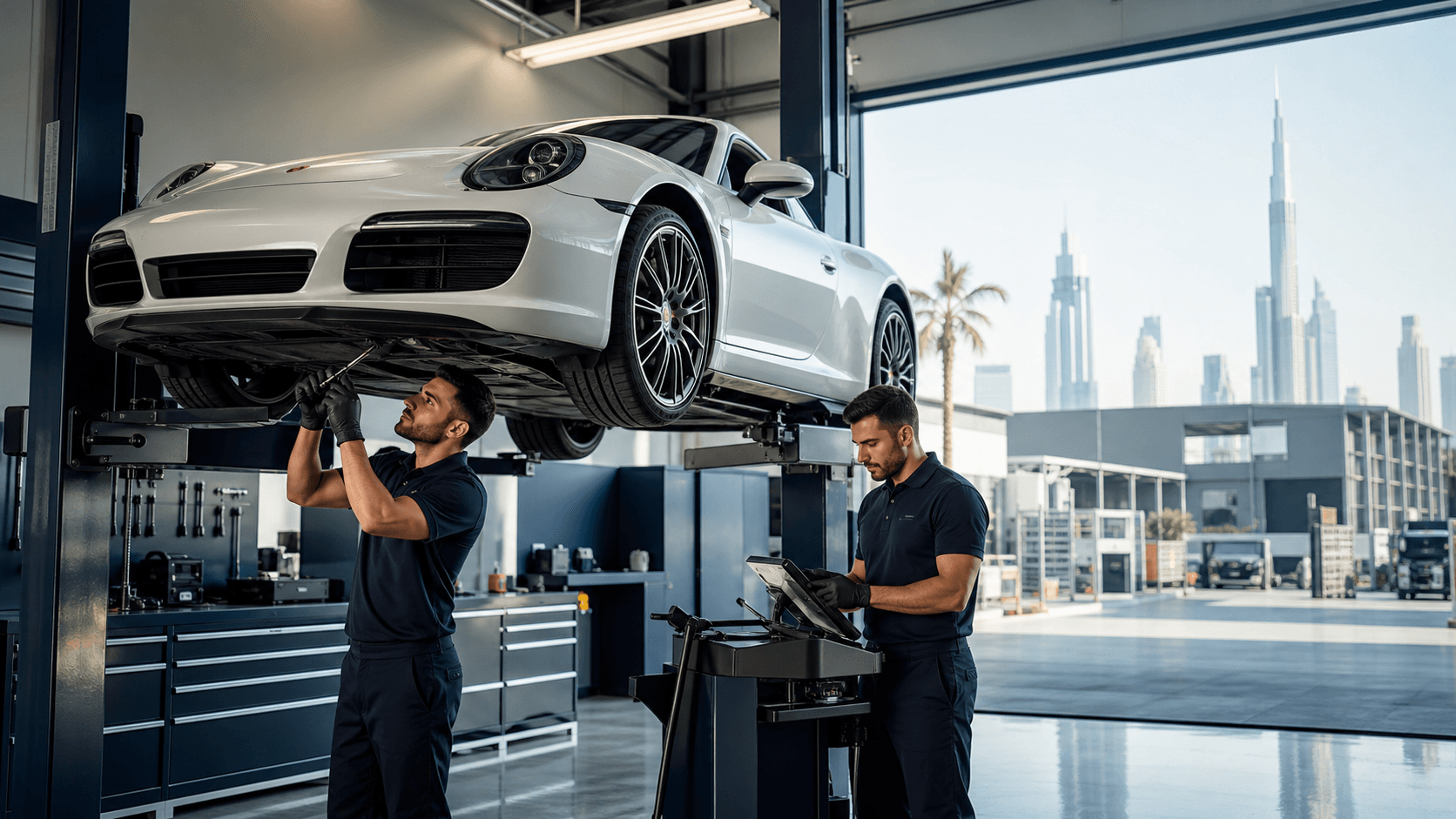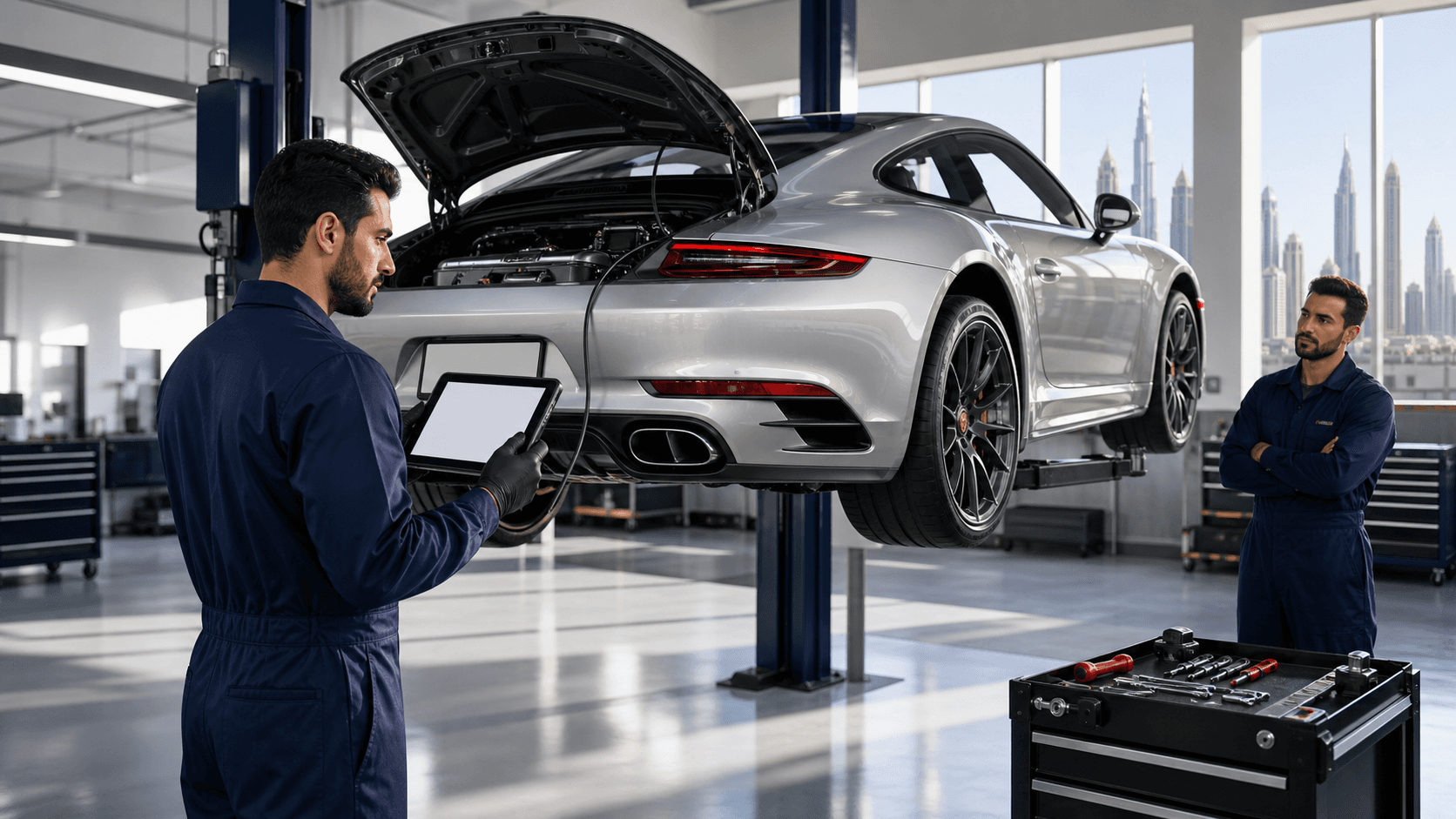
By early October, traffic across Dubai tends to get heavier, and the roads are filled with a mix of daily commuters and long drives returning after a quiet summer. That kind of traffic brings small handling or performance issues into the spotlight, especially for Porsche drivers used to a precise feel. The trouble is, many of these issues do not start with loud noises or dashboard lights. They show up slowly and quietly.
A trained Porsche technician plays a pretty important role at this point. They look beneath the surface of what feels "fine" to spot small shifts in how your vehicle moves, sounds, and reacts. We have had owners say their cars drive normally, only to find worn mounts or fading shocks once a deeper inspection begins. Hidden problems do not always hide because they are unusual. Sometimes it is just that daily habits mask them until one day, the car does not feel the way it used to.
What Makes Porsche Issues Easy to Miss
Today's performance systems are smart and well-balanced. That is a good thing most of the time. But it can also make small wear patterns harder to notice.
- Many drivers will not hear or feel early-stage issues with suspension parts like dampers or mounts
- Minor looseness in components such as bushings can still hold up during light driving, but fail to perform under pressure
- Short daily drives, especially on smooth city streets, do not always reveal problems that show up at higher speeds or during sharp maneuvers
Your Porsche might hold its line just fine on a short drive to work, but take it out on a longer highway stretch or twisty backroads and you may start noticing softness in your steering, uneven grip, or odd noises under load. These are the early signs many owners miss until they visit someone who knows exactly what to look for.
How a Porsche Technician Listens and Feels for Trouble
We do not just check parts. We drive the car. That short road test tells us more than a scan tool sometimes can. A Porsche technician will pick up on things most drivers overlook.
- We feel for excess movement through the steering wheel, like looseness or lag between input and response
- Any vibration or drifting during acceleration or braking gives away hidden alignment or suspension issues
- The smallest knock or clunk over speed bumps or during turns may point to a worn joint or bushing nearing failure
We listen to what your car sounds like under pressure, not just at idle. If there is a faint thud when braking or a clicking sound under low-speed turns, those tell us exactly where to start looking once it is up on the lift.
Tools That Go Beyond the Naked Eye
Good instincts matter, but we still rely on proper tools to back up what we notice during a drive. Certain problems cannot be seen unless we run checks from multiple angles.
- We use diagnostic scan tools to check for stored faults, sensor issues, or warning codes that have not triggered alerts yet
- Lifting the car lets us inspect bushings, mounts, shocks, and other parts that may feel solid on the road but reveal wear when unloaded
- Uneven tire wear, fluid traces near suspension parts, or a slight tilt when the car is parked flat all offer more hints
By checking both electronically and mechanically, we connect the dots between early feelings and actual damage. Sometimes the cause of an issue is not what it seems at first. The extra time and tools help us narrow things down.
Seasonal Clues a Technician Never Ignores in Dubai
October brings cooler mornings, and that change in temperature starts to affect more than just comfort. Rubber seals, bushings, and performance fluids can all react differently than they did a month ago. If a car was parked most of the summer, worn shocks may have had time to sag while dry heat stiffened flexible components.
- Seasonal change tightens aging rubber parts, making them squeak, groan, or shift more
- Sand and dust cling to damp areas, which helps us spot hidden leaks or track where road grit is collecting
- Undercarriage buildup or dry suspension components stand out more clearly in cleaner fall light
Cars in Dubai go through specific wear patterns because of the heat, the parking surface, and the stop-start city traffic. These factors create small issues during the summer that only show up once driving habits change again in the fall.
Porsche Dealer-Grade Diagnostics and Repair at Starpit
At Starpit, our Porsche technicians use manufacturer-certified equipment and specialized scanners for accurate troubleshooting. Each inspection includes a data-driven report, highlights of any hidden or developing issues, and a repair roadmap tailored for Dubai's driving cycles. Our workshop is equipped to handle both electronic diagnostics and traditional hands-on checks unique to Porsche models in the region.
The Value of a Technician's Experience With Porsche Models
Nothing replaces hands-on experience. A Porsche technician does not just follow a checklist. We work with these cars enough that we get to know what "normal" really feels like from model to model.
- Some model years tend to wear certain parts sooner, and we know what to expect based on mileage and use
- We know the weight balance, how the suspension should react, and when something sounds or feels slightly off
- That added layer of pattern recognition helps us catch issues long before they grow into larger swallowing parts or uneven wear
It is subtle stuff. Things like the way a car dips during hard braking or how quickly it settles after a sharp turn. We notice these cues even when there is no dashboard light asking for attention.
Why Small Signs Deserve a Closer Look This Season
Fall driving in Dubai brings more vehicles back onto the road, and that brings with it tighter traffic, faster-paced highways, and more moments where you rely on quick handling and smooth brakes. If something feels different behind the wheel now, it probably did not happen overnight. It likely built up over time, hidden behind your car's solid engineering.
Catching these shifts early is the easiest way to avoid roadside surprises or expensive fixes later. Performance cars like Porsches are built to deliver precision, so small imbalances mean something. The better we know the behavior of these cars, the faster we can spot when it starts to change, and the safer the drive becomes moving forward.
Book a Hidden Problem Check With a Porsche Technician
At Starpit, we know that spotting hidden issues in high-performance vehicles takes more than just a quick glance. Having skilled professionals on your side can make all the difference when subtle problems occur during everyday drives. If something feels off with your car, a trained Porsche technician can often detect what others might overlook. Reach out today to set up an appointment with a team that works exclusively with Porsche models every day. We look forward to helping you keep your vehicle in top shape.