A lot of Porsche owners in Dubai don't realize how much small details can affect their car's exterior over time. Regular checks help catch bodywork issues before they become something bigger. Whether it's a small scratch or a panel that sits slightly out of place, these things don't just stay cosmetic for long. They build up, especially after long stretches of summer driving.
We're entering a season where more people start driving again. So early September is a good time to inspect damage caused by heat, sand, or tight parking spots from the hotter months. These visual checks aren't about perfection. They're about keeping your car protected before conditions change. The longer we wait, the higher the chance that minor issues turn into full-blown repairs. That's why now is a smart time to listen to what we see on the surface.
Our Porsche bodywork specialists often catch signs that owners miss. Fading paint. Small body movement after a bump. Misaligned gaps that let in moisture. When we check early, we keep future damage manageable.
Ignoring Small Scratches That Lead to Bigger Paint Damage
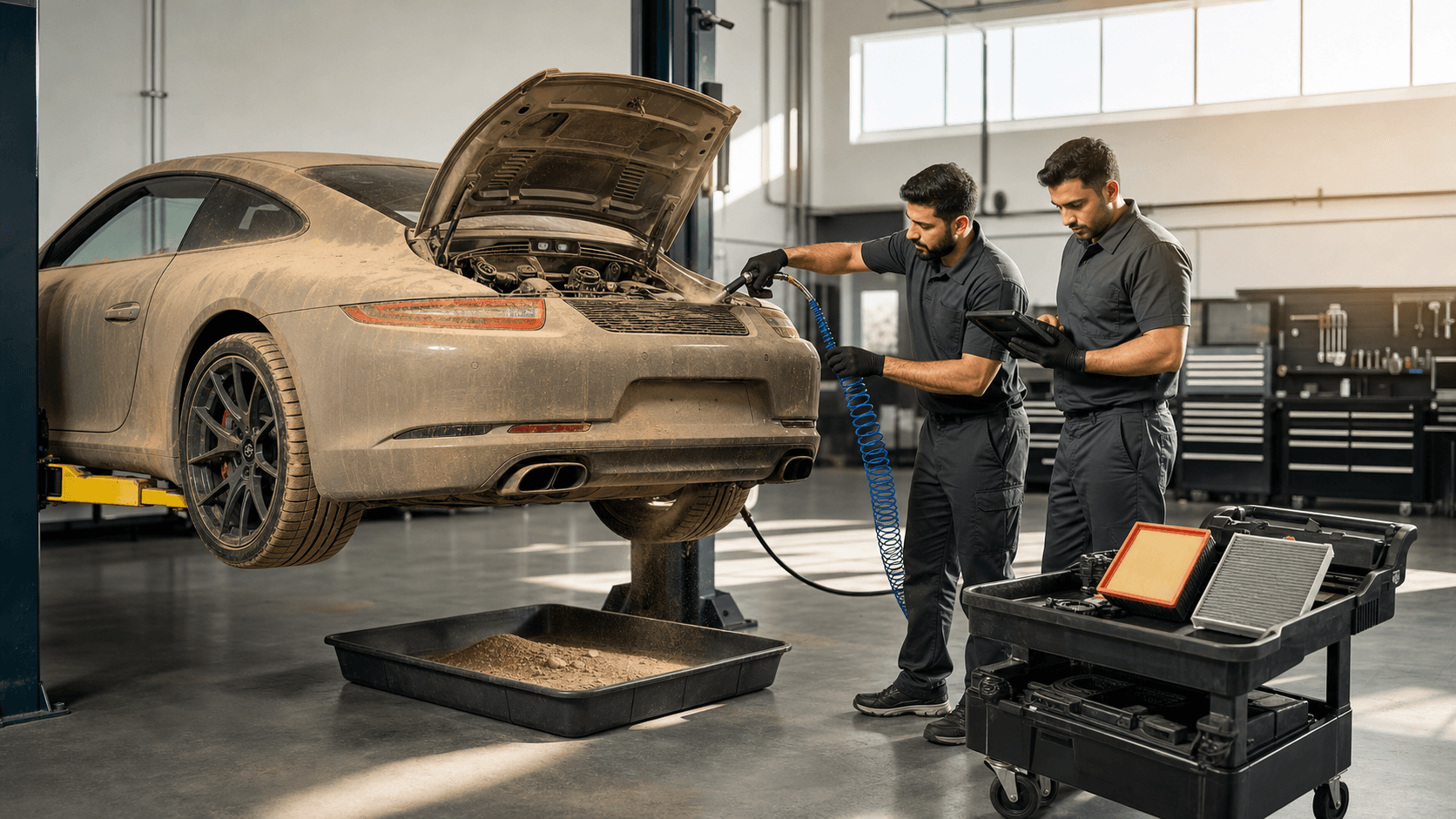
In Dubai, it doesn't take much for a surface scratch to turn into a larger pain point. Hot sun, constant UV exposure, and sand-filled air wear down even factory finishes. A scratch that starts as a minor clear coat blemish can open the door to bigger problems like fading, chalky texture, or peeling edges.
This pattern speeds up at the tail end of summer. Here's what usually happens:
- UV rays break down the protective layers around the mark
- Moist air trapped during cooler evenings leads to tiny cracks
- Microscopic sand settles in the scratch, acting like sandpaper that dulls the surrounding paint
These simple issues quickly spread if not inspected early. A clear coat that lifts in one corner won't stop peeling just because temperatures cool down. We've seen how a slight scratch ignored in September turns into a full panel repaint by winter. Regular checks and quick spot work often prevent all that.
If you overlook these scratches, especially when Dubai transitions from hot to cooler weather, that's when paint goes from looking sharp to suddenly feeling rough. The wind in the city can carry grains of sand that find every weak point on your car's surface. Over time, something that seemed minor can collect more grime and even start to let in moisture, which then dulls or changes the color. That's why careful attention during seasonal changes protects not just the paint but the long-term look of the car as well.
Overlooking Misaligned Panels After Minor Bumps
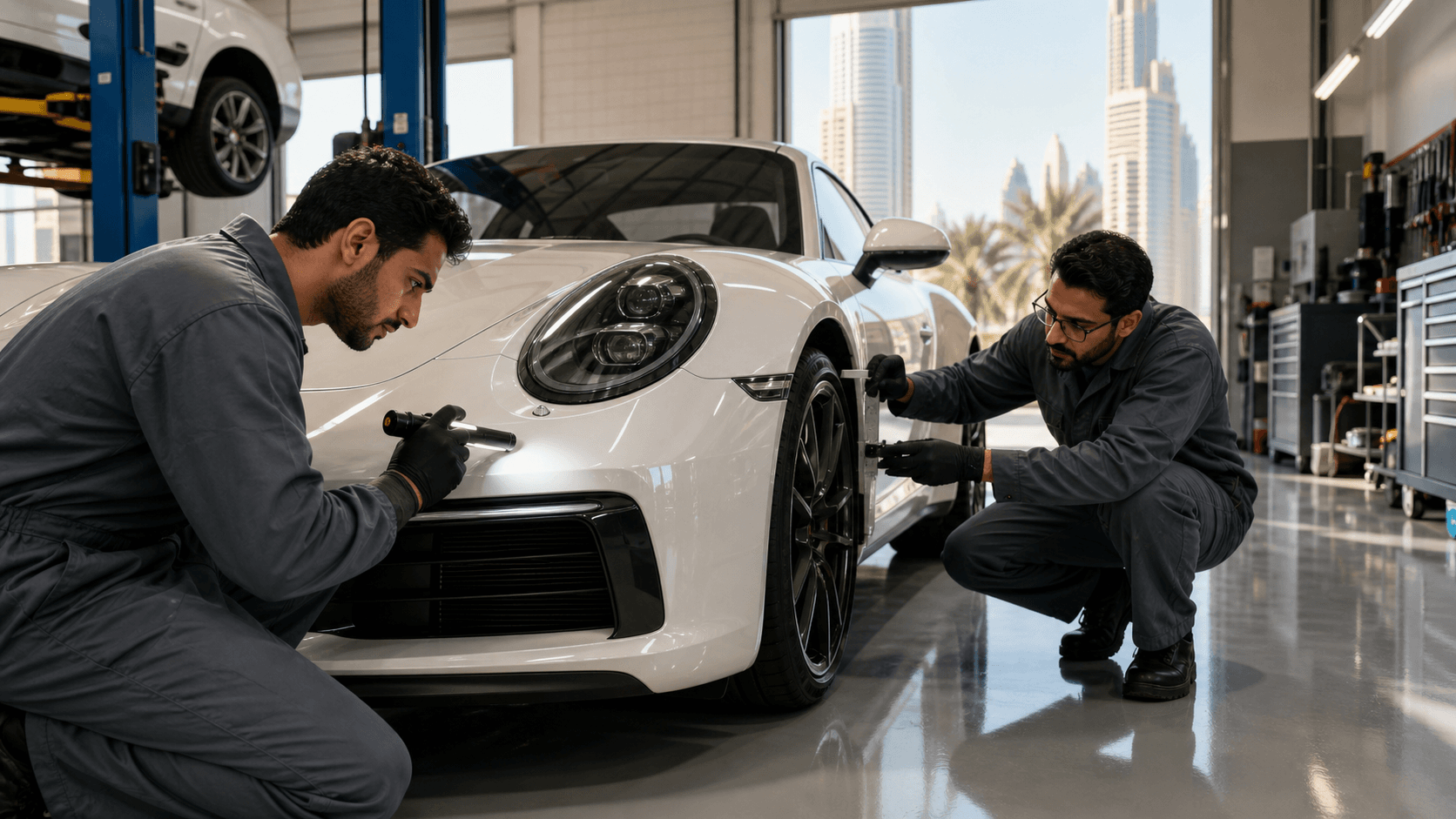
It's easy to brush off small parking bumps or gentle nudges in tight spaces. But when we ignore panel alignment, we invite longer-term problems. The fit of a Porsche is designed to be clean and seamless. Small shifts in panel spacing often signal internal stress that isn't always obvious on first glance.
Here's what we look for when it comes to misaligned panels:
- Gaps between body parts that aren't even
- Doors or trunks that stick or make extra noise when closing
- A body line that breaks when viewed at an angle across the panel
Even a small fender shift can affect airflow and trim alignment. It can also hint at things happening behind the surface, like clips detaching or panel edges rubbing against each other. Porsche bodywork specialists take extra time to spot these slight problems early. A check now could mean the difference between a simple adjustment and needing panel replacements later.
When these bumps happen late in the summer, the panels may have already expanded or shifted from the season's heat. This hidden movement is often missed until cooler weather makes closing a door feel different or odd noises show up. Keeping an eye on the alignment of panels as the weather shifts stops surprise repairs later, since everything contracts and can pull more on connected parts. Small adjustments now keep the car's original fit and finish as close as possible to when it was new.
Skipping Undercarriage Checks After Curb Scrapes
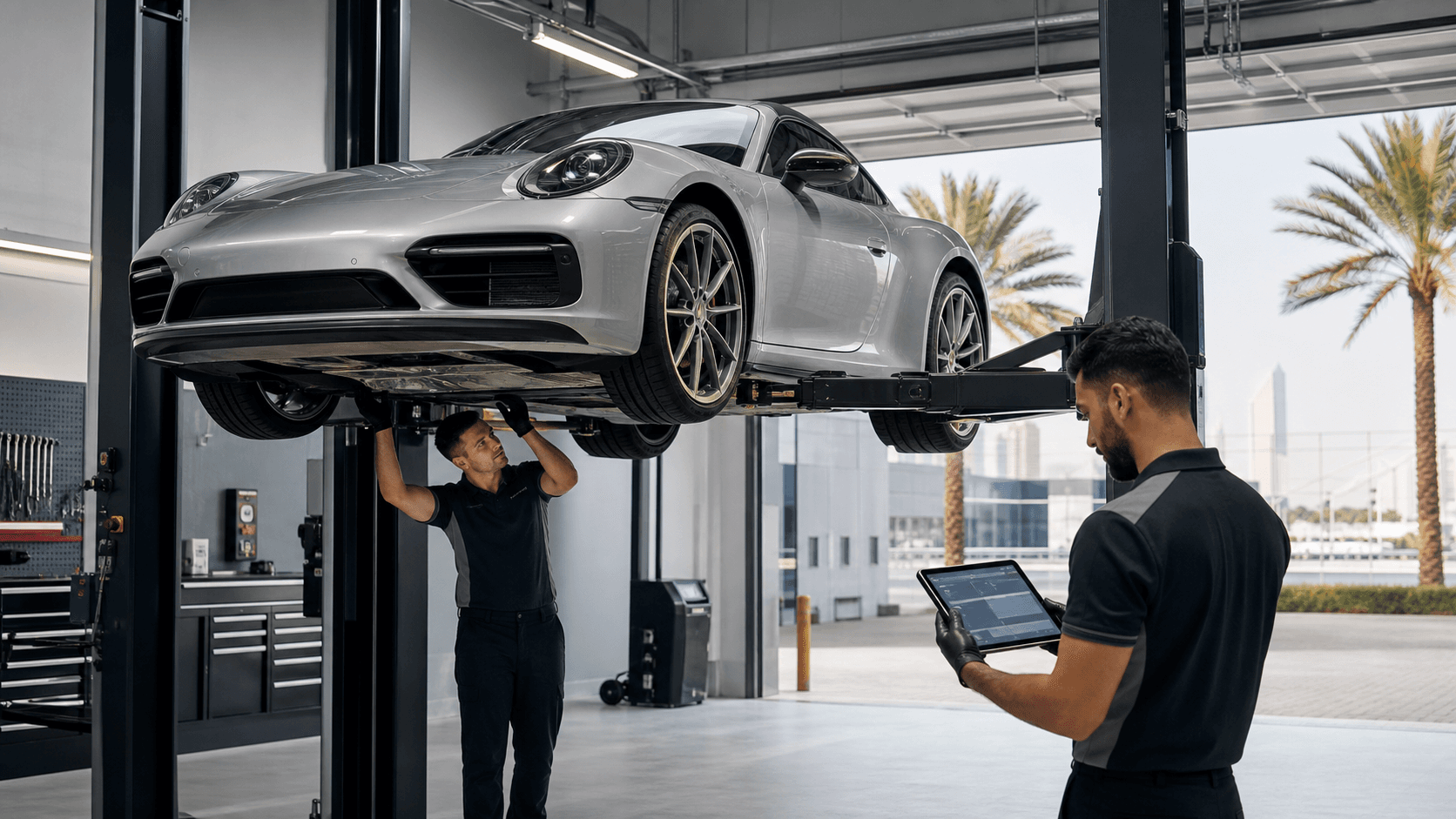
Most people don't think much about what's going on underneath the car. But undercarriage damage can easily go unnoticed after scraping a driveway, hitting a rough patch, or clipping a curb. These moments are more common during summer when road surfacing softens and expansion joints shift slightly from heat stress.
Here's why the bottom of the car needs attention this time of year:
- Bent undercarriage panels affect strength during high-speed drives
- Protective shielding for wiring or hoses might have cracked near joints
- Suspension parts or fastener points may have loosened over time
As traffic builds in fall, cars spend more time on the road. That's when heat and earlier wear from the summer come back to bite. Inspections this month help us stay ahead of any hidden damage before highway driving increases. It's cheaper and safer to correct balance or panel weaknesses early than to let them go until something breaks.
An undercarriage left unchecked after a few summer scrapes won't just show dents or scratches; it might be missing protective covers or have exposed fasteners. Rust or moisture easily finds its way in after the first cracks appear, and the next season will reveal even more serious wear. Inspecting soon after the high heat months means we can reseal, clean, or refasten anything before real challenges hit in the cooler months. That way, headaches from costly repairs are avoided and the ride stays as strong as it should.
Delaying Rust Spot Repairs Before Cooler Months
Rust has a sneaky way of growing fast when it's left exposed during seasonal transitions. Even the smallest chip in paint can lead to metal corrosion underneath. And in a place like Dubai, humid spots and salty air along the coast can work quickly once the weather shifts in early fall.
September brings more temperature swings between morning and night, and that's when condensation becomes a bigger issue. Trapped moisture leads to deeper rust growth, especially near wheel wells, under trim pieces, or around the lower half of door edges.
Here's how we try to stay in front of rust creep:
- Inspect paint for small bubble spots or rough textures
- Check near exposed bolts or fasteners
- Look under the car for slight discoloration around seams
When spot repairs are done early, we avoid metal flakes, panel thinning, or rust holes that eat into the structure. Letting damaged spots sit through the cooler part of the year often means more invasive work down the line.
As nights start cooling down and condensation sets in, places that only had tiny chips before suddenly start to grow rust overnight. Humid mornings speed things up, too, making it easy to miss these spots unless you're regularly checking. Once rust forms on the inside of a panel or around a bolt, it can quickly compromise the strength of the part. Staying ahead with inspections ensures these areas are treated before they turn into much bigger headaches that may need full replacements.
Expert Porsche Bodywork from Starpit
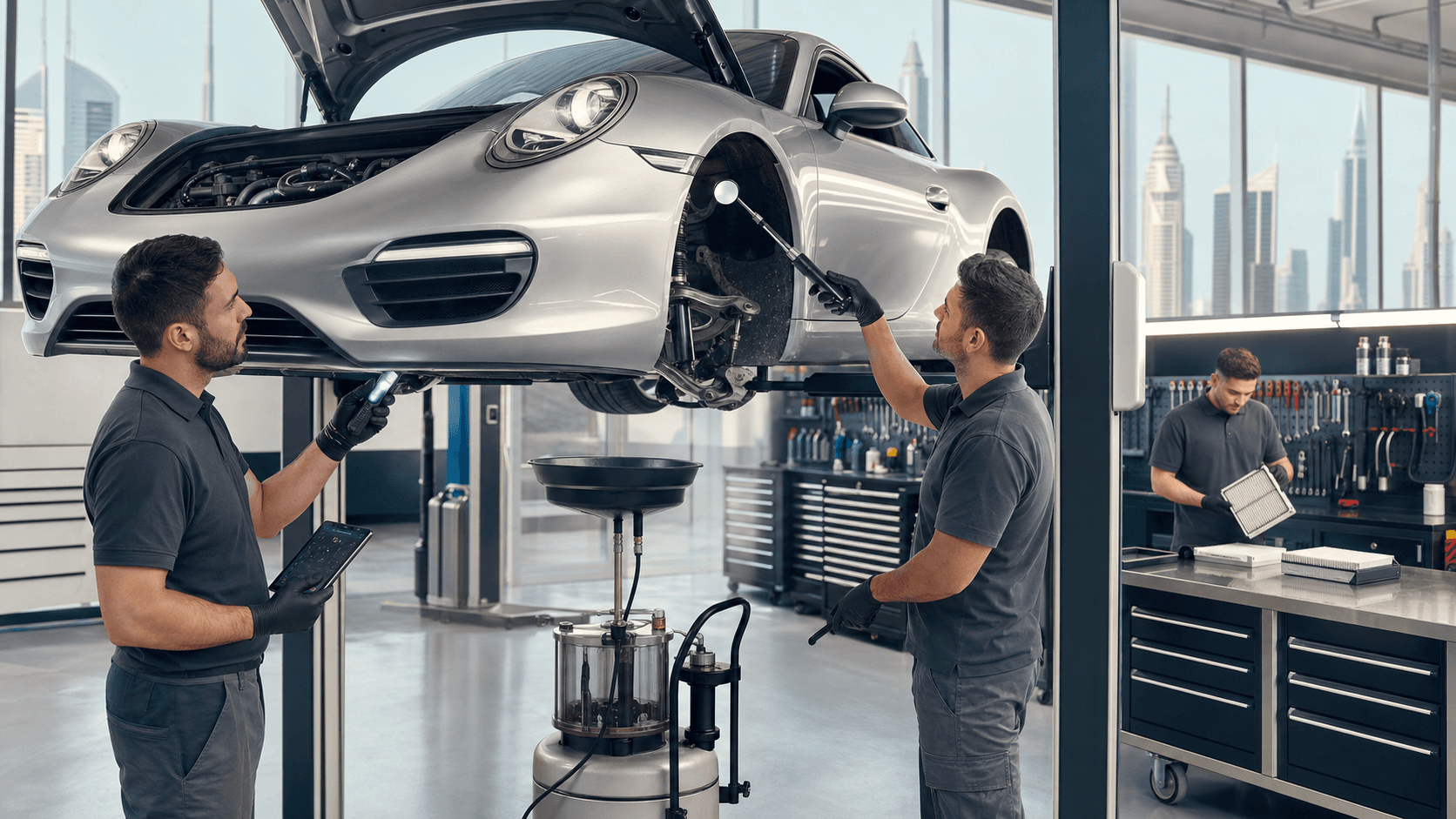
At Starpit, our Porsche bodywork specialists use factory-approved repair methods and climate-controlled paint areas to reverse sun, sand, and weather damage. We inspect for hidden corrosion with digital scanning tools and use genuine Porsche components for all structural repairs. Our comprehensive bodywork and detailing packages are customized for Dubai drivers heading into autumn and winter.
We also take the time to document every irregularity, so you're never surprised by hidden damage beneath the surface. Combining modern equipment with careful, up-close inspections, we give Porsche owners peace of mind even after the toughest driving seasons or the trickiest parking garages. Every job, from paint touch-ups to full restorations, is handled in a space designed to give lasting results, helping protect your vehicle's bodywork from future weather extremes.
Smart Maintenance Saves Future Repairs
Regular checks aren't just about keeping the car nice for now. They protect parts that cost more and take longer to fix later. If we look closely at minor paint issues, panel gaps, or surface rust early on, we keep wear from spreading.
This time of year is a chance to head off long-term damage. Heat stress from summer has already pushed parts to their limit, especially with daily driving in Dubai. When we get ahead of the signs, we avoid larger repairs like replacing full body panels or correcting deep paint fade. A few simple check-ins really make the difference between upkeep and overhaul.
Even a little time spent walking around the car, feeling panel joints, or checking shine and texture reveals what might be starting to go wrong. Some of the most expensive fixes we see aren't costly because of a huge accident, but because the warning signs went unnoticed for months. Setting a routine in autumn not only manages risks now, but helps your Porsche keep its showroom appearance through winter and beyond.
Protect your Porsche from the effects of Dubai's climate with the expertise of our Porsche bodywork specialists at Starpit. Our team identifies and addresses minor scratches, misaligned panels, and rust spots before they become costly repairs. Ensure your vehicle remains in pristine condition by booking an inspection today and safeguard its value and aesthetics for years to come.