Introduction
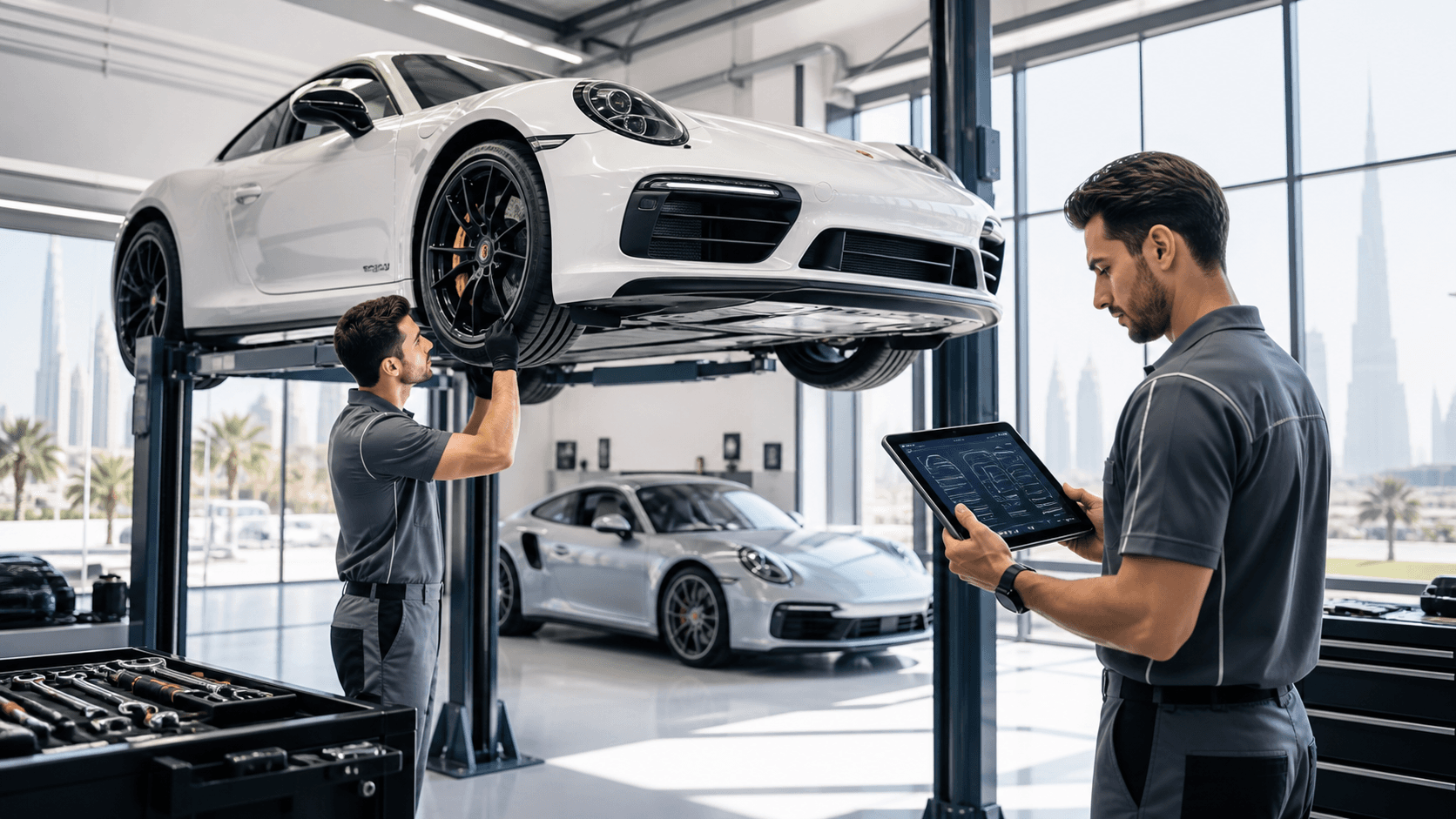
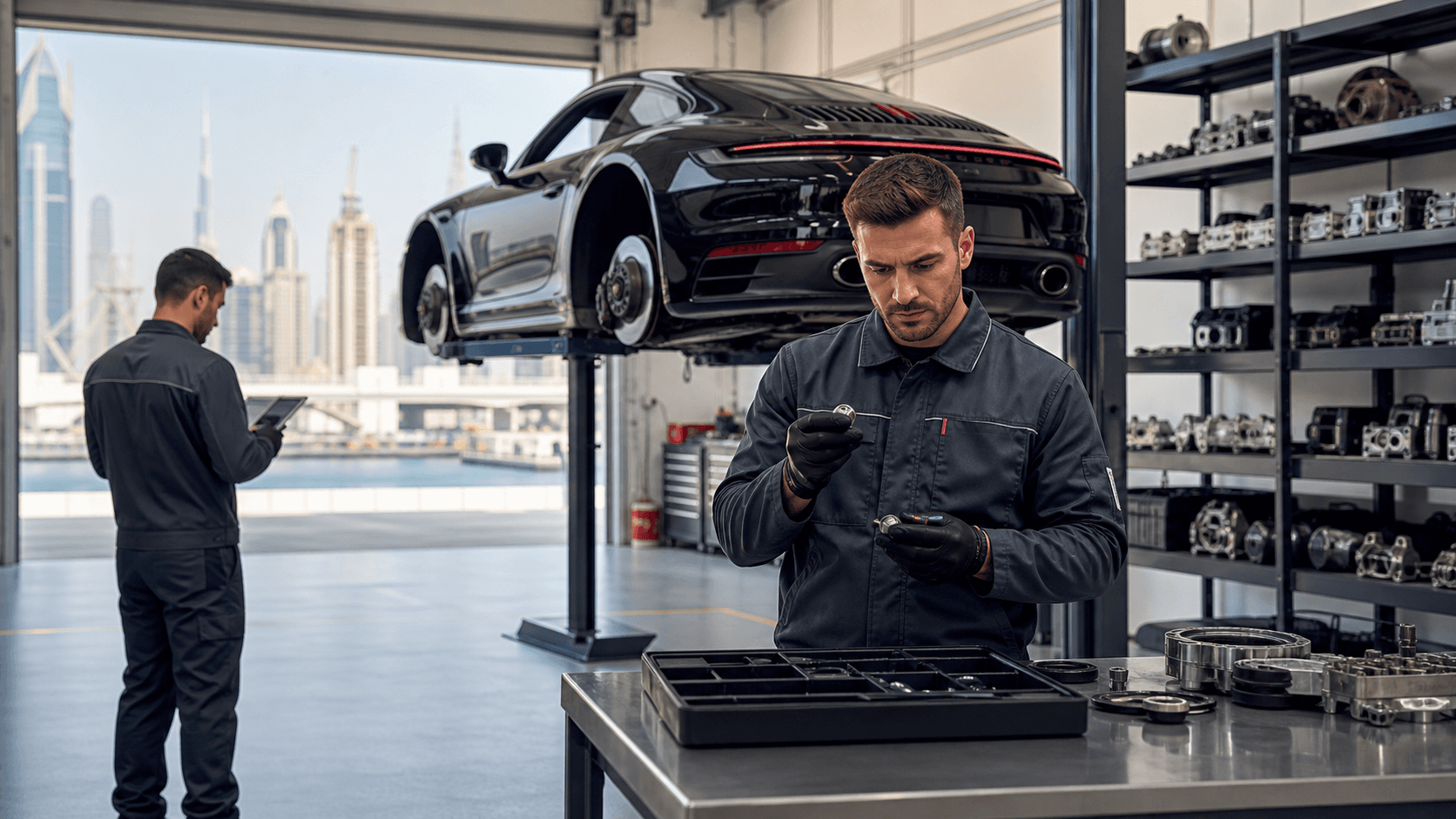
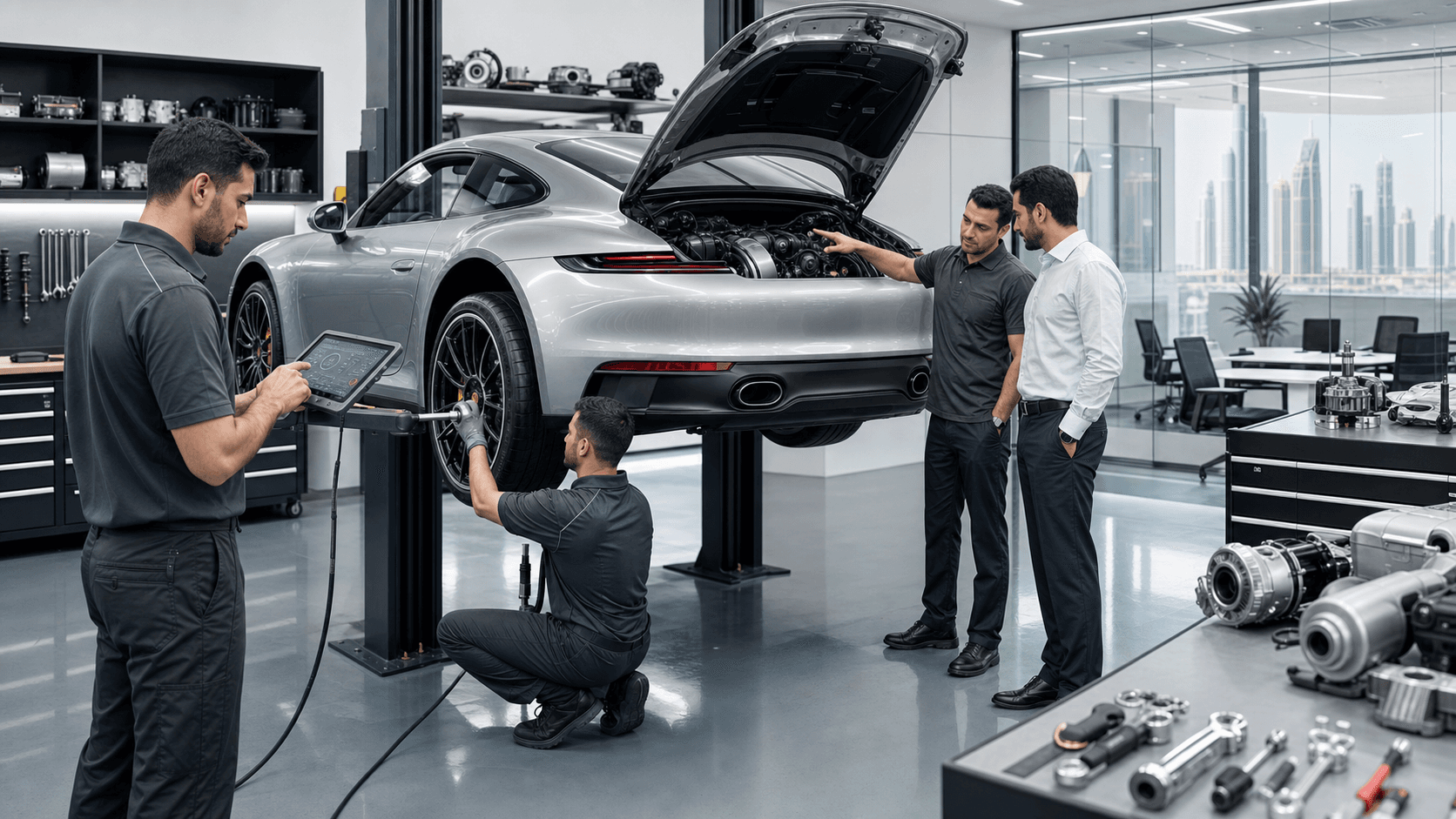
When June rolls in, Porsche service in Dubai doesn't stay the same. The weather pushes every part of the car harder, and that shows up in how we approach service. The heat settles in quickly, the roads stay dry, and even shorter drives can test cooling systems and tires. We don't just do more maintenance during summer, we change how we think about it.
Cars respond to heat in ways that aren't always visible at first. Oil behaves differently. Rubber wears faster. Electronic systems work harder in a hot cabin or engine bay. So, once temperatures climb, our entire approach shifts to match what the car really needs, not what the calendar normally says. We focus on system performance, quicker checks, and details that matter most when summer heat becomes part of every drive.
How Heat Alters Porsche Maintenance Priorities
When it gets hot, we start paying different kinds of attention to what's under the hood. Some maintenance tasks come up earlier. Others get done more often.
- Oil and engine fluids respond poorly to heat over time. They break down faster, so we often change them sooner than usual. We care less about mileage and more about how the car has been driven.
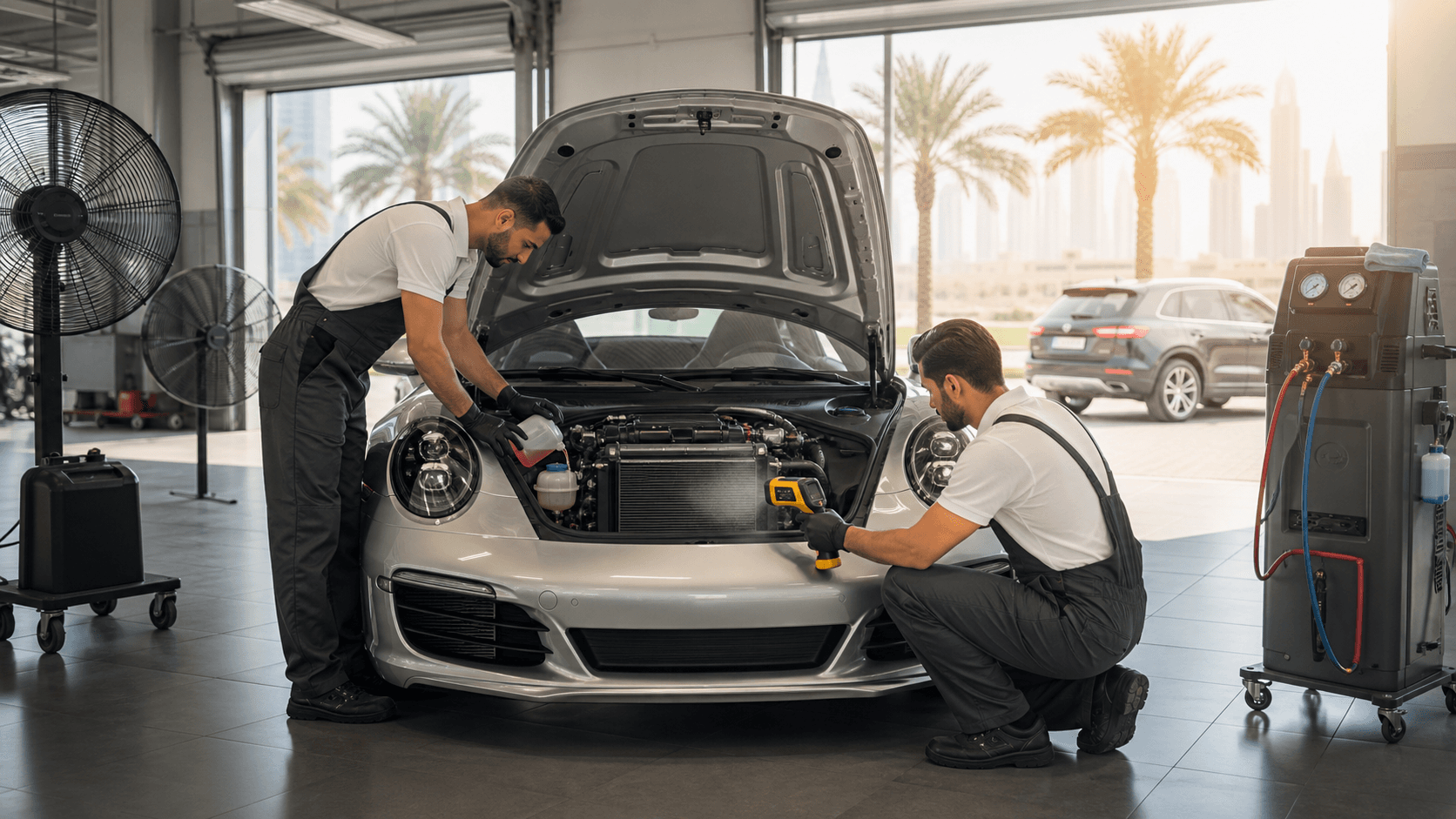
- Cooling systems get pushed constantly in stop-and-go traffic. Fans, sensors, and coolant lines have to handle more pressure, so we make sure they're not straining. Early signs of failure, like rising engine temps or weak airflow, can't be ignored.
- AC gets tested and tuned much more regularly. If it can't cool the cabin fast enough, the whole ride feels off. That change forces us to recheck filters, look at refrigerant flow, and make sure compressor cycles stay strong.
What used to be a small fix during cooler months can become a bigger issue when it's 110°F by midday. That's why we never use the same spring schedule once summer hits.
Tires, Brake Systems, and Road Contact in High Temperatures
Asphalt heat makes tire rubber work harder than expected. Drivers may not notice tire stress until grip feels loose or braking distance creeps up. But we see the signs when we inspect the basics.
- Tire pressure changes more than people expect. Hot air expands inside the tire, which can throw off traction and cause uneven wear. We track this weekly during peak summer.
- Brake pads and fluid face more extreme conditions too. Heat can trap moisture inside brake lines or thin out the fluid, which impacts how the pedal responds. In heavy traffic, that gets dangerous fast.
- We run inspections on suspension and steering parts more often. Heavy tires, worn out bushings, and track misalignment show up sooner with heat and dry roads.
Ignoring the surface temperatures in summer would be a mistake. Cars behave differently on hot pavement, and every part that touches the road makes a bigger difference this time of year.
Seasonal Software and System Updates
Electronics and software don't escape the effects of summer either. Some problems only show up when the car has been sitting with the sun beating down on it.
- We check for firmware updates that improve system feedback or stability in hot, high-use conditions. Even small tweaks can change how the Porsche handles long drives.
- Diagnostic scans help us catch sensor issues early. A backup sensor failing on a 45°C day isn't something we wait to solve later. We check readings often, especially after any recent tire or alignment work.
- We also adjust based on the car's recent activity. If it's spending time in traffic jams or being parked under the sun all week, its systems respond differently. Our updates match current habits, not older service notes.
Summer isn't just harder on hardware. It overstresses climate controls, parking sensors, and voltage readings too. That's why we always refresh the car's software logic with long-term heat in mind.
Interior Comfort and Cabin Health
A Porsche can run well without interior comfort, but no one wants to drive it if the cabin feels like an oven or smells dusty every time the fan kicks on.
- We test the AC under actual sun exposure. If cooling takes too long when the car starts up, that's a sign something deeper might need replacement or recalibration.
- Cabin filters clog faster in summer. Dust and sand get into airways during highway drives or while parked outside. That limits good airflow and adds stress to the fan motor.
- We monitor wear to leather, dash plastic, and console seals. Constant high temps can dry out materials quickly. It's a small detail but worth catching early before repairs are needed.
Interior comfort shapes how a car is used. If riders feel the heat too much, people take shorter trips or delay drives. That's why we treat airflow and comfort like performance issues during summer.
Mid-Year Checkpoints for Long-Term Porsche Health
June isn't just another heat wave. It marks a midway point where we start planning for the second half of the year based on how the car has been aging up to now.
- We scan major systems again to catch weak points before they become real problems by late summer or early fall. Cooling, braking, and suspension take the hardest hits.
- Our inspections adapt to recent habits. Maybe the Porsche hasn't been driven much in the last month, or maybe it's been doing regular trips across town. Either way, we reset timelines based on that usage, not just dates.
- Calibration closes out the service cycle. From wheel alignments to idle behavior, we want Porsche performance to feel sharp no matter the heat outdoors.
It's easier to spot patterns during mid-year than to wait until something breaks. Summer wear stacks up fast, but it's also predictable when we stay on top of it.
Keeping Your Porsche Summer-Ready and Reliable
Porsche service in Dubai looks a lot different once the summer heat takes hold, and that's not by accident. The heat doesn't leave much room for error. Every part on the car, from tires to airflow sensors, works harder than it should during these months.
That's why we shift how we service. We test earlier, inspect deeper, and adjust service plans to reflect the real driving conditions here. It's not about overdoing anything. It's about keeping the car smooth, cool, and feeling just as responsive at the end of summer as it did in the spring. Summer doesn't have to be hard on your Porsche if we pay attention before small issues turn into setbacks.
Why Trust Starpit for Summer Porsche Service
As summer temperatures rise in Dubai, keeping ahead of system strain ensures your drives stay comfortable and trouble-free. Our team adapts maintenance routines from spring to summer, focusing on temperature-sensitive components and driving styles specific to our region. For consistent, thorough care tailored to the challenges of desert roads, our approach to Porsche service in Dubai delivers the peace of mind you need. At Starpit, we are dedicated to keeping your vehicle reliable all season long. Contact us today to schedule your next seasonal check.